In April 2026, a single-family home in the city of Brookhaven sold in a median of seven days, and sellers walked away with 99.8 percent of their asking price. Look up Historic Brookhaven specifically, the estate district wrapped around Capital City Club, and the picture changes. Homes there spend closer to six weeks on the market, and Redfin's own competitiveness score puts the neighborhood at a middling 45 out of 100, a rating the platform describes as "somewhat competitive," not hot. Same city. Same real estate cycle. Two numbers that don't seem to describe the same place.
That gap isn't a sign the neighborhood is struggling. It's a sign that "Brookhaven" and "Historic Brookhaven" are two different products being measured by two different rulers, and anyone comparing them on price alone is going to draw the wrong conclusion about where the value actually sits.
The Same Name, Three Different Stories
Pull up three separate sources for Historic Brookhaven this year and you get three separate stories. Redfin's neighborhood page shows an average house price of $1.7 million as of this summer, down 2.3 percent from a year earlier. Homes.com's Historic Brookhaven page shows a median sale price over the trailing 12 months of $885,000, down 17 percent. Meanwhile the city of Brookhaven overall, according to Zillow's Home Value Index, posted an average value of $753,512 in July 2026, up 2.9 percent year over year, and Redfin's citywide figures show a median sale price of $799,000 for the three months ending June 2026, up 6.5 percent.
Here's the detail that explains more than any of those percentages: Zillow itself tracks two separate geographies under the Brookhaven name. One is the incorporated city, valued at that $753,512 average. The other, which Zillow labels "Brookhaven, Atlanta, GA" and which overlaps the older in-town pocket around Historic Brookhaven, carries an average value of $1,758,835 as of June 2026, up 7.7 percent. That's more than double the citywide number, tracked by the same company, updated the same month.
| Metric | City of Brookhaven | Historic Brookhaven (Redfin) | Historic Brookhaven (Homes.com) |
|---|---|---|---|
| Price direction, trailing 12 months | Up (Zillow ZHVI +2.9%; Redfin median +6.5% for 3 months ending June 2026) | Down 2.3% | Down 17% |
| Days on market | Median 7 days for single-family in April 2026 | ~40 days | 44 days |
| Market temperature | 99.8% list-to-sold ratio, single-family, April 2026 | Compete Score 45/100 | Not published |
None of these sources is wrong. They're drawing different lines on the map and pulling from different pools of sold homes, and in a district this small, that's enough to send the headline number in opposite directions depending on which platform you happen to open first.
Why the Numbers Disagree
Historic Brookhaven has an unusually small number of annual transactions for a neighborhood this well known. Homes.com currently lists 14 active houses in the district, priced anywhere from $599,000 up to just under $4 million. That price floor tells you something important: some platforms draw the Historic Brookhaven boundary wide enough to sweep in condos and smaller homes near the edges, while the estate stock everyone actually means when they say "Historic Brookhaven" runs closer to $2 million to $6 million, concentrated on streets like Club Drive, Vermont Park, and the blocks backing up to the Capital City golf course.
When your sample size is a dozen or two closings a year, and the properties in that sample range from a $599,000 condo to a $4 million Georgian on an acre, the median or average for any given month depends heavily on which handful of homes happened to close. Two renovated estates selling in the same quarter can push the number up sharply. Two dated fixer-uppers selling to builders can pull it down just as fast. That's not a market correcting. That's a small dataset doing what small datasets do.
The Real Engine Behind Brookhaven's Hot Numbers
The city-wide heat isn't coming from Historic Brookhaven at all. It's coming from the mid-century pockets where teardown-and-rebuild has become a repeatable playbook, especially Ashford Park and Drew Valley. In March 2026, Ashford Park posted a median sale price of $1.49 million against a citywide Brookhaven median of $700,000 that same month, a spread almost entirely explained by what's sitting on the lot.
Recent sales on Ashford Park's Winding Lane make the mechanism visible. An all-original bungalow on the street sold for $850,000. A newer-construction home a few doors down, on the same street, sold for $2.3 million. Other nearby closings ranged from $710,000 for renovated product up to $2.22 million and $2.61 million for higher-end new builds. Lot value alone in Ashford Park and Brookhaven Fields runs $400,000 to $750,000 before anyone breaks ground, and popping a second story onto a 1950s ranch typically costs $400 to $600 per square foot in today's construction market. Every one of those transactions counts toward the citywide median, and there are a lot of them, because the underlying land keeps changing hands and getting rebuilt.
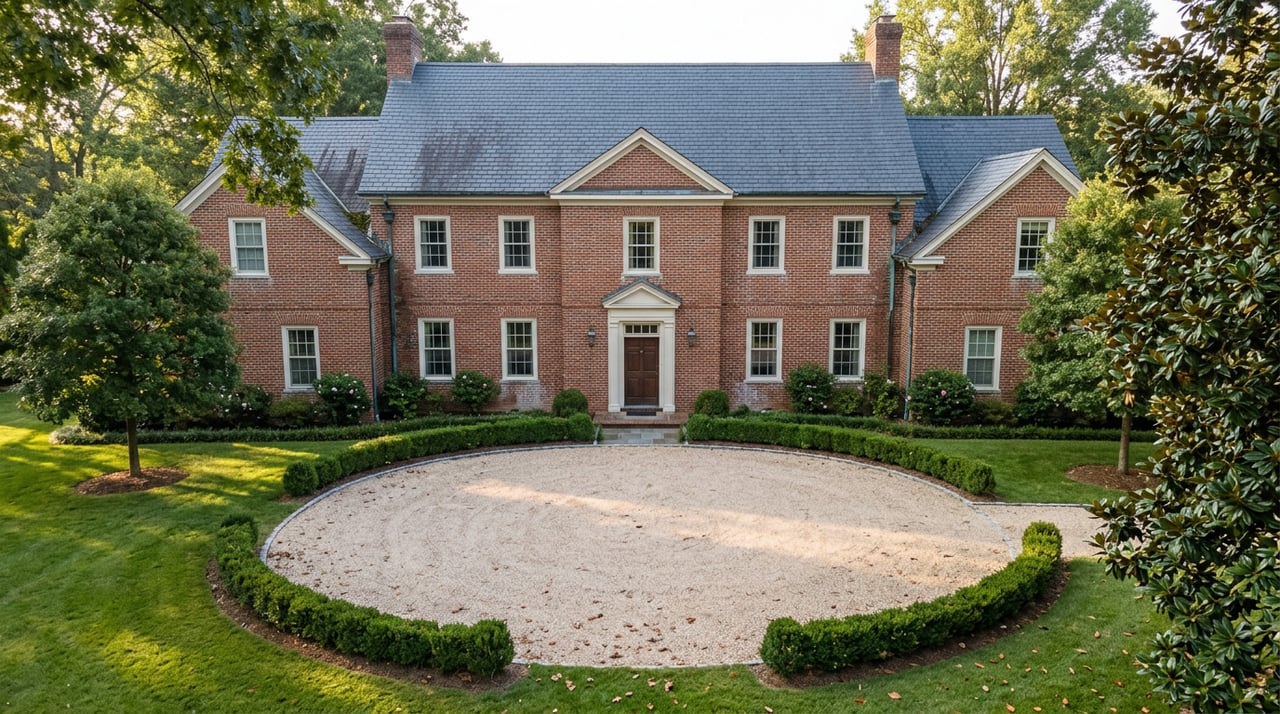
Historic Brookhaven doesn't have that engine. The homes that anchor the district were built mostly in the 1920s and 1930s by established Atlanta firms, including Hentz, Reid and Adler, and the neighborhood was added to the National Register of Historic Places in 1986. It's already built out with the large, architect-designed houses that buyers in this price range are looking for, not vacant-feeling ranches waiting for a builder to see the dirt underneath them. Some blocks of the district also carry architectural review requirements that add friction to major exterior changes, another reason speculative rebuilds aren't the norm here the way they are two miles west. That combination, an already-mature housing stock plus a district built more for preservation than for demolition, means transactions in Historic Brookhaven are almost always resales or renovations of existing estates, not the buy-tear-down-rebuild cycle inflating the citywide count.
What This Actually Means If You're Watching These Streets
If you're comparing Historic Brookhaven to the rest of the city using a single price chart, you're comparing two different kinds of markets and calling it one number.
A few practical takeaways follow from that:
- A 40-day average time on market in Historic Brookhaven isn't a warning sign. It reflects a smaller, more deliberate buyer pool for a $2 million to $6 million estate, not softening demand. The city's fastest sellers are ranch pop-tops and new construction competing on price per square foot, which is a different buyer entirely.
- Street-level comps matter more here than almost anywhere else in Brookhaven. A home on Club Drive overlooking the golf course and a townhome three streets over inside the same loosely drawn boundary aren't the same market, even if a portal groups them together.
- Watch which figure a source is reporting. A citywide Brookhaven median tells you almost nothing about what's happening on a specific block near Capital City Club, and a Historic Brookhaven average built from a dozen sales can swing on one or two closings.
A Few Questions Worth Asking Before You Trust a Number
Does a slower Historic Brookhaven market mean prices are actually falling? Not necessarily. A small number of annual sales means the average or median can drop simply because a couple of lower-priced or dated properties happened to close, even while the underlying estate stock holds its value. Street-level comps tell you more than a neighborhood-wide average ever will.
Why do some listing sites show Historic Brookhaven homes under $700,000? Boundaries differ by platform. Some draw the line wide enough to include nearby condos and smaller resales at the edges of the district, which pulls the low end of the range down even though the core estate streets trade well above $2 million.
Should I expect a bidding war on a Historic Brookhaven listing? It depends entirely on the street and the house. The city's fastest, most competitive sales right now are happening in the teardown-and-rebuild pockets, not the estate district. A well-priced home near Capital City Club can still move quickly, but the pace looks nothing like the citywide headline.
If you're weighing a move onto one of these streets, or deciding whether now is the right time to list a home you've owned for years near the club, the number on a portal won't tell you what your specific property is worth. A conversation grounded in actual comps on your block will. Frank Nelson has spent 26 years reading these streets one at a time, and a good starting point is a clear-eyed look at where your home sits against what's actually closing nearby. Get Your Instant Home Valuation to see where your Historic Brookhaven property stands today.