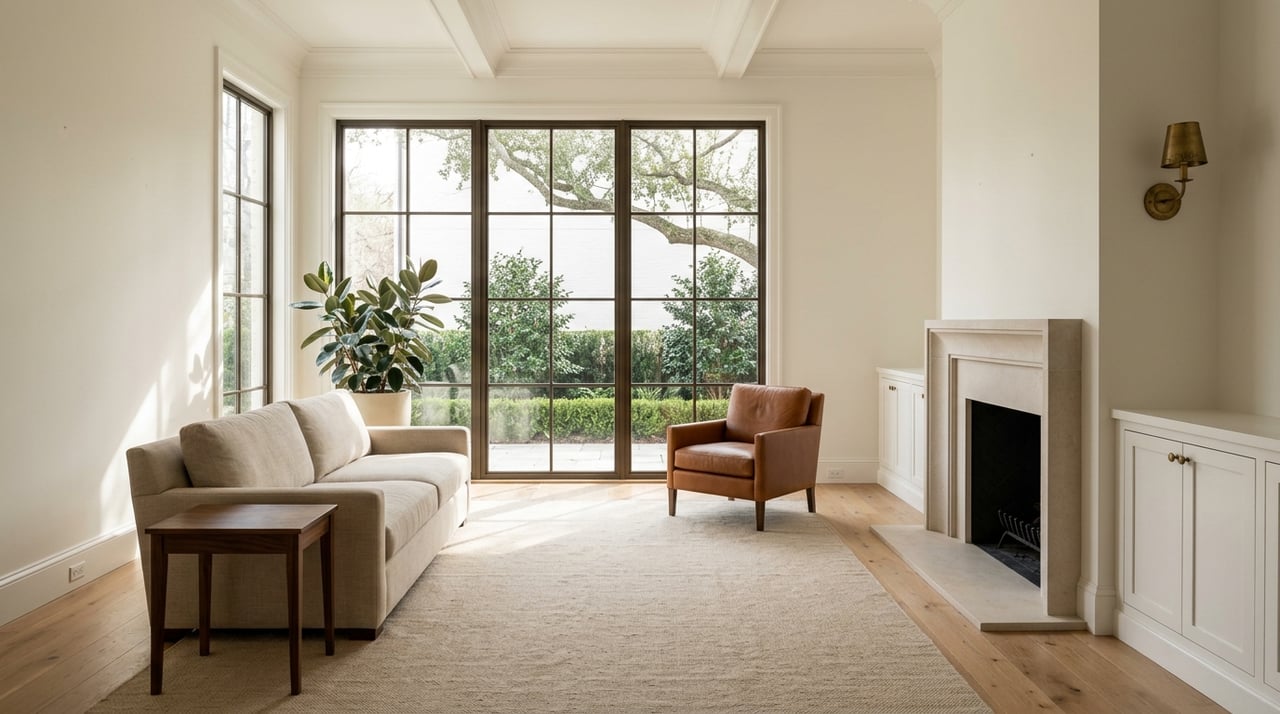
Trying to decide whether to renovate before you sell in Historic Brookhaven can feel like a high-stakes call. You want to protect your equity, avoid wasted spending, and position your home well in one of Atlanta’s most distinctive neighborhoods. The good news is that this decision is usually less about a blanket historic restriction and more about smart economics, buyer expectations, and your home’s current condition. Let’s break down how to think about it.
Why Historic Brookhaven Is Different
Historic Brookhaven is not just another neighborhood with older homes. According to the Historic Brookhaven Neighborhood Association, the area grew around Georgia’s first planned golf course community, and the historic district includes homes developed from 1910 through 1941.
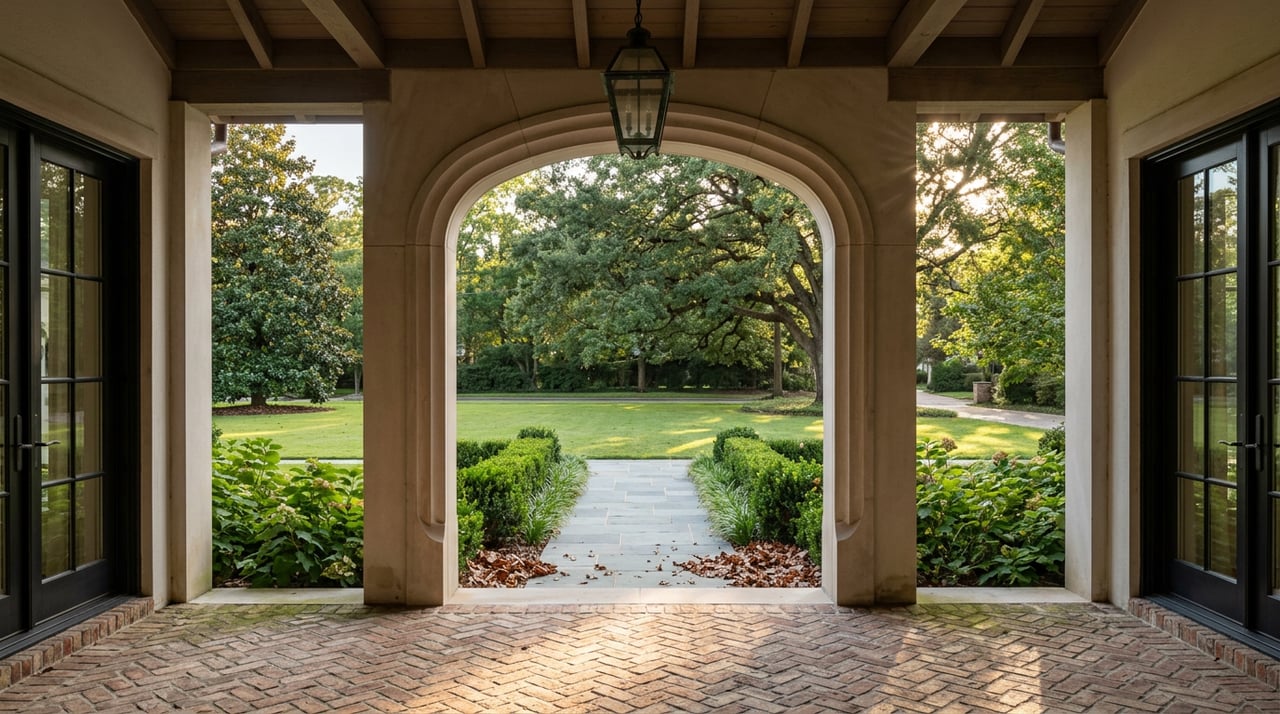
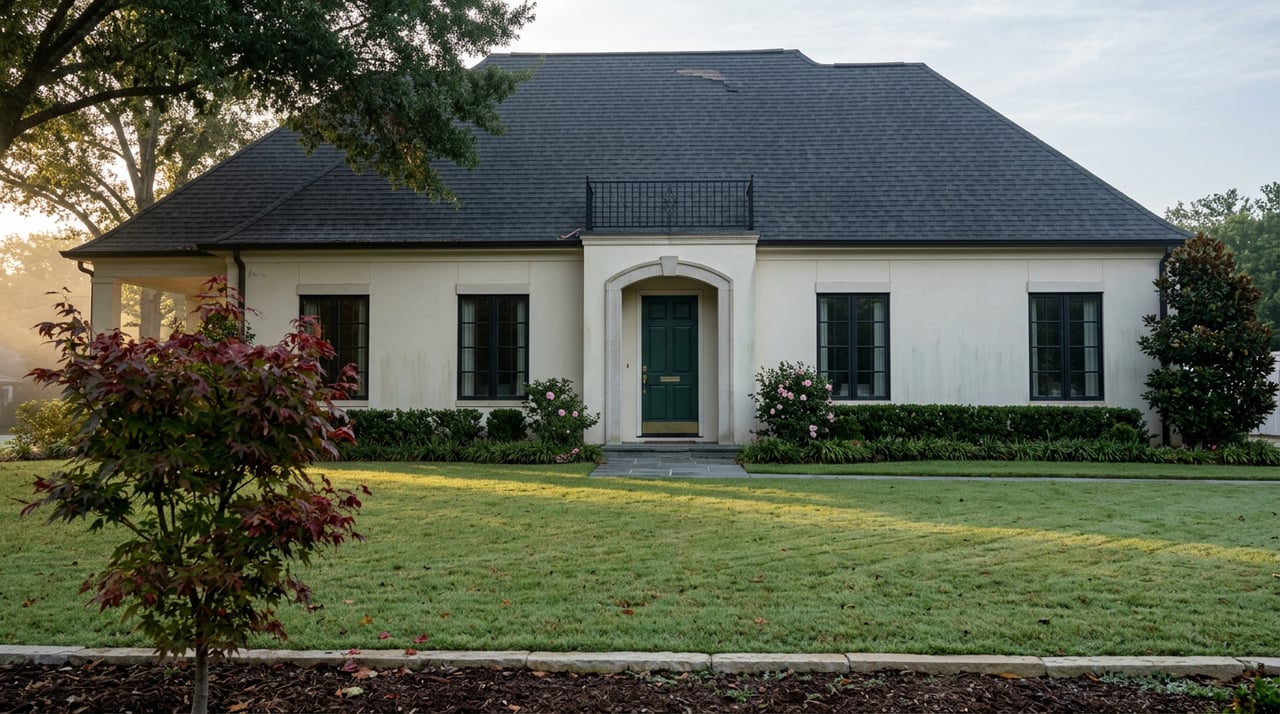
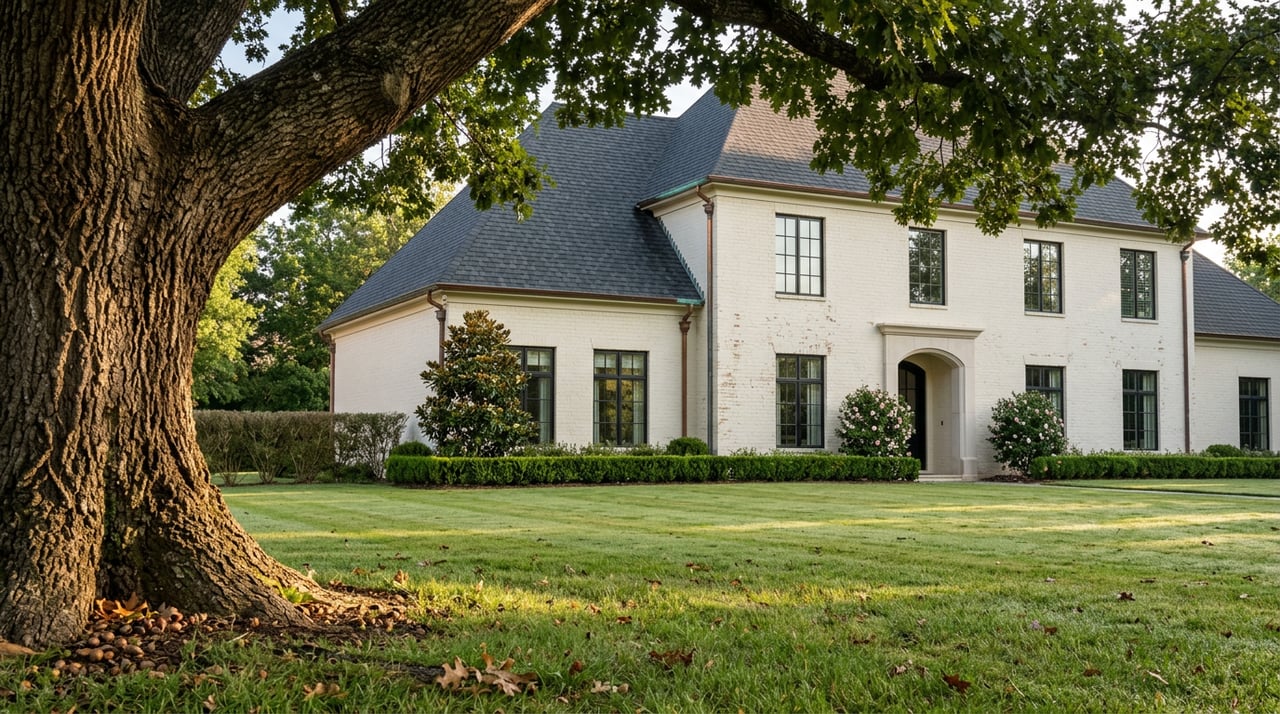
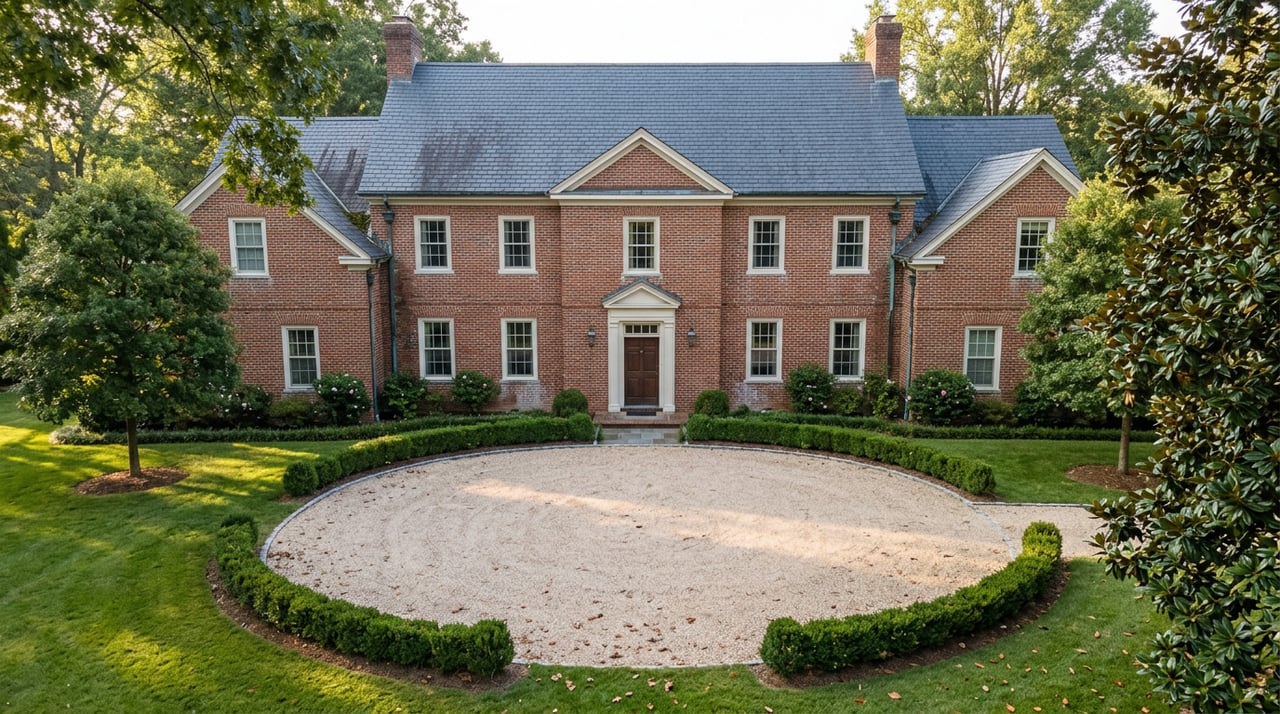
That history matters because buyers are often drawn to both the setting and the architecture. The district’s National Register documentation highlights Colonial Revival, Georgian Revival, Tudor Revival, Craftsman, Dutch Colonial Revival, Spanish Revival, and Minimal Traditional styles. In practical terms, that means your home’s original character may carry real value, especially when updates feel consistent with the home’s scale and appearance.
Historic Status and Renovation Rules
A lot of sellers assume that National Register status automatically limits what they can do. In reality, the Georgia Department of Community Affairs explains that National Register listing does not itself restrict the use, treatment, transfer, or sale of private property.
That said, planning still matters. The Historic Brookhaven Neighborhood Association notes that parts of the neighborhood fall under different zoning jurisdictions, including Brookhaven/DeKalb and Atlanta/Fulton, so the review path can vary depending on the parcel location. If you are considering exterior work, the exact location of your home matters.
What the Current Market Suggests
Historic Brookhaven sits in a premium price tier, and buyers in that segment tend to notice condition quickly. Realtor.com’s neighborhood overview reported a December 2025 median home sale price of $1,149,000, 16 homes for sale, a median of 68 days on market, and a 99% sale-to-list ratio.
Those numbers point to a market where well-positioned homes can still attract strong buyer interest. At the same time, the 2025 NAR Remodeling Impact Report found that 46% of buyers are less willing to compromise on home condition. In other words, buyers may pay premium prices here, but they are also more selective.
Renovate Before Selling When the Condition Gap Is Clear
If your home shows obvious deferred maintenance, a renovation or refresh may make sense. Buyers often react strongly to issues that are easy to spot in listing photos or during a showing.
You may want to renovate before listing if:
- The roof, paint, landscaping, or entry feels worn
- Key rooms like the kitchen or baths look noticeably dated compared with nearby listings
- There are maintenance issues that make the home feel neglected
- A modest project could make the home feel move-in ready without a major budget jump
In Historic Brookhaven, that approach can be especially helpful when your home will compete with listings that already present well. In a market like this, first impressions matter.
Sell As-Is When Character and Lot Value Lead
Selling as-is can also be the right strategy. This is often true when the home’s value is tied more to lot, location, and architectural character than to polished finishes.
You may lean toward selling as-is if:
- The house is structurally sound
- The work needed is extensive and expensive
- You are unlikely to recover enough of the renovation cost
- The home is priced to reflect its condition
- Buyers in the area may still see strong value in the setting and original details
This can be a practical path for sellers who do not want the time, disruption, or uncertainty of a larger project. In some cases, a buyer may prefer to take on updates based on their own taste rather than pay for a renovation that does not match their plans.
The Best Middle Ground Is Often Selective Prep
For many Historic Brookhaven sellers, the smartest option is somewhere in the middle. Instead of choosing between a full renovation and a true as-is sale, you may get the best result from a focused pre-listing plan.
That usually means fixing what is clearly needed, improving presentation, and avoiding large discretionary projects that may not pay you back. This approach lines up well with both the neighborhood’s historic character and national remodeling data.
Start With Curb Appeal and Presentation
If you are deciding where to spend money first, buyer-facing improvements usually deserve the top spot. The 2025 NAR staging report found that the most common recommendations for sellers were decluttering, cleaning the entire home, and improving curb appeal.
That same report said buyers’ agents viewed the living room, primary bedroom, and kitchen as the most important spaces to stage. If your budget is limited, these are usually the areas to prioritize.
Outdoor work can also have strong returns. According to NAR’s outdoor projects article, standard lawn care showed a 217% cost recovery, landscape maintenance 104%, an overall landscape upgrade 100%, and a new patio 95%.
For Historic Brookhaven, this matters because the streetscape and mature setting are part of the appeal. A tidy lawn, clean walkways, trimmed plantings, and a welcoming front entry can help your home feel cared for without changing its character.
Be Careful With Big Remodels
Large remodeling projects can feel tempting, especially in a high-end market. But the data suggest caution if you are renovating strictly to sell.
The 2025 NAR Remodeling Impact Report showed that a new steel front door recovered 100%, while complete kitchen renovation and minor kitchen upgrades recovered 60%, adding a new bathroom recovered 56%, a new primary suite recovered 54%, and bathroom renovation recovered 50%.
That does not mean kitchens and baths do not matter. They do. But it does mean a full gut renovation may not be the best pre-sale investment unless your home is so far behind the market that buyers will discount it heavily.
Focus on High-Impact Updates
Before listing, the strongest renovation candidates are usually the ones that improve how the home looks and feels right away. NAR reported that common seller recommendations include painting the entire home, painting one interior room, and replacing roofing when needed.
If you are evaluating updates, consider this order:
- Fix maintenance issues first
- Improve curb appeal and entry presentation
- Deep clean, declutter, and stage key rooms
- Refresh paint or finishes where wear is obvious
- Consider selective kitchen or bath improvements only if they clearly change buyer perception
This is often the most practical path in Historic Brookhaven because it supports both presentation and value without over-improving.
How to Make the Decision for Your Home
The right answer depends on how your home compares with current buyer expectations in Historic Brookhaven. A fully updated home may deserve one pricing strategy, while a well-located home with original details and deferred updates may call for another.
As a simple framework, ask yourself:
- Will buyers notice the issue immediately in photos or at the door?
- Is the project a repair, a refresh, or a major remodel?
- Is there a strong chance the update will improve saleability more than it increases cost?
- Does the work support the home’s architecture and setting?
- Would pricing the home honestly in its current condition be the cleaner move?
If the answer points toward small, visible improvements, selective prep is probably the better bet. If the home needs substantial work and the economics are uncertain, selling as-is may protect your time and capital.
Bottom Line for Historic Brookhaven Sellers
In Historic Brookhaven, the best pre-sale dollars usually go toward presentation, curb appeal, and obvious repairs. Full renovations can make sense in some cases, especially if your home is far behind competing listings, but the broader data favor targeted improvements over expensive discretionary projects.
If you are weighing whether to renovate or sell as-is, a neighborhood-specific strategy matters. Historic Brookhaven buyers are not just buying square footage. They are also responding to architecture, condition, setting, and how confidently the home fits the market. If you want tailored guidance on how to position your property, Frank Nelson can help you evaluate the smartest next step for your home and goals.
FAQs
Should you renovate before selling a home in Historic Brookhaven?
- It depends on your home’s condition, the likely cost of updates, and how it compares with competing listings. In many cases, selective repairs and presentation work make more sense than a full renovation.
Can you sell a Historic Brookhaven home as-is?
- Yes. Selling as-is can be a smart option when the home is structurally sound, priced to reflect condition, and valued for its lot, location, or original character.
Does National Register status restrict remodeling in Historic Brookhaven?
- No. National Register listing does not by itself restrict private property changes, though local permitting or zoning processes may still apply depending on the parcel location.
What updates usually matter most before listing a Historic Brookhaven home?
- The strongest candidates are often maintenance repairs, curb appeal improvements, cleaning, decluttering, staging, paint, and other visible updates that improve buyer perception quickly.
Are major kitchen or bathroom remodels worth it before selling in Historic Brookhaven?
- Not always. National remodeling data show that large projects often recover less of their cost than smaller, high-visibility improvements, so they should be evaluated carefully before listing.